

Close Menu
Knowvenger | Your Daily Dose of TechKnowvenger | Your Daily Dose of Tech
  • Home
  • Cloud & DevOps
    • Networking & Security
    • AWS
  • Blockchain & Web3
    • Web3 Fundamentals
  • Web Development
    • HTTP & APIs
    • Frontend Development
  • System Design
    • Software Architecture
What's Hot

Understanding State Management in Angular: A Comprehensive Analysis

May 7, 2026

Evolution of React Server Components: Performance, Architecture, and User Experience

May 7, 2026

Impact of Angular’s Dependency Injection Updates

May 3, 2026
Facebook X (Twitter) Instagram
Knowvenger | Your Daily Dose of TechKnowvenger | Your Daily Dose of Tech
  • Home
  • Cloud & DevOps
    1. Networking & Security
    2. AWS
    3. View All

    Massive RSC Vulnerability Found in React 19 and Next.js | How to Protect Your App in 2025

    December 12, 2025

    Difference Between VPN and Proxy Server | Which One Should You Choose?

    November 2, 2025

    How to Create Your Own VPN on a Private Server

    October 26, 2025

    10 Best Practices for Optimizing Your AWS Resource Management to Reduce Costs

    April 17, 2026

    How to Reset MFA in AWS Cognito Hosted UI

    October 6, 2025

    10 Best Practices for Optimizing Your AWS Resource Management to Reduce Costs

    April 17, 2026

    Building Scalable Applications in the Cloud: Best Practices for AWS Deployment

    April 17, 2026

    AI in Cloud Infrastructure: Smarter Automation & Optimization

    March 11, 2026

    Shared vs VPS vs Cloud Hosting | Which Is Best ?

    January 15, 2026
  • Blockchain & Web3
    1. Web3 Fundamentals
    2. View All

    Web3 | How Decentralization Is Changing the Internet in 2025

    October 13, 2025

    Web3 | How Decentralization Is Changing the Internet in 2025

    October 13, 2025
  • Web Development
    1. HTTP & APIs
    2. Frontend Development
    3. View All

    Mastering HTTP 2.0: Enhancing Performance and Security for Modern Web Applications

    April 17, 2026

    10 Best Practices for Securing APIs in Cloud and DevOps Environments

    April 17, 2026

    10 Essential Best Practices for Securing Your APIs in 2026

    April 13, 2026

    10 Essential Best Practices for Building Secure APIs in a Cloud Environment

    March 14, 2026

    Understanding State Management in Angular: A Comprehensive Analysis

    May 7, 2026

    Evolution of React Server Components: Performance, Architecture, and User Experience

    May 7, 2026

    Impact of Angular’s Dependency Injection Updates

    May 3, 2026

    Top 10 Tips for Optimizing Your React Application for Performance

    April 17, 2026

    Understanding State Management in Angular: A Comprehensive Analysis

    May 7, 2026

    Evolution of React Server Components: Performance, Architecture, and User Experience

    May 7, 2026

    Impact of Angular’s Dependency Injection Updates

    May 3, 2026

    Top 10 Tips for Optimizing Your React Application for Performance

    April 17, 2026
  • System Design
    1. Software Architecture
    2. View All

    Microservices Architecture

    March 1, 2026

    Monolith Architecture

    January 2, 2026

    Microservices Architecture

    March 1, 2026

    Monolith Architecture

    January 2, 2026
Knowvenger | Your Daily Dose of TechKnowvenger | Your Daily Dose of Tech
Home » Evolution of React Server Components: Performance, Architecture, and User Experience
React

Evolution of React Server Components: Performance, Architecture, and User Experience

yasiru_jayashanBy yasiru_jayashanMay 7, 2026No Comments4 Mins Read
Share Facebook Twitter Pinterest LinkedIn Tumblr Reddit Telegram Email
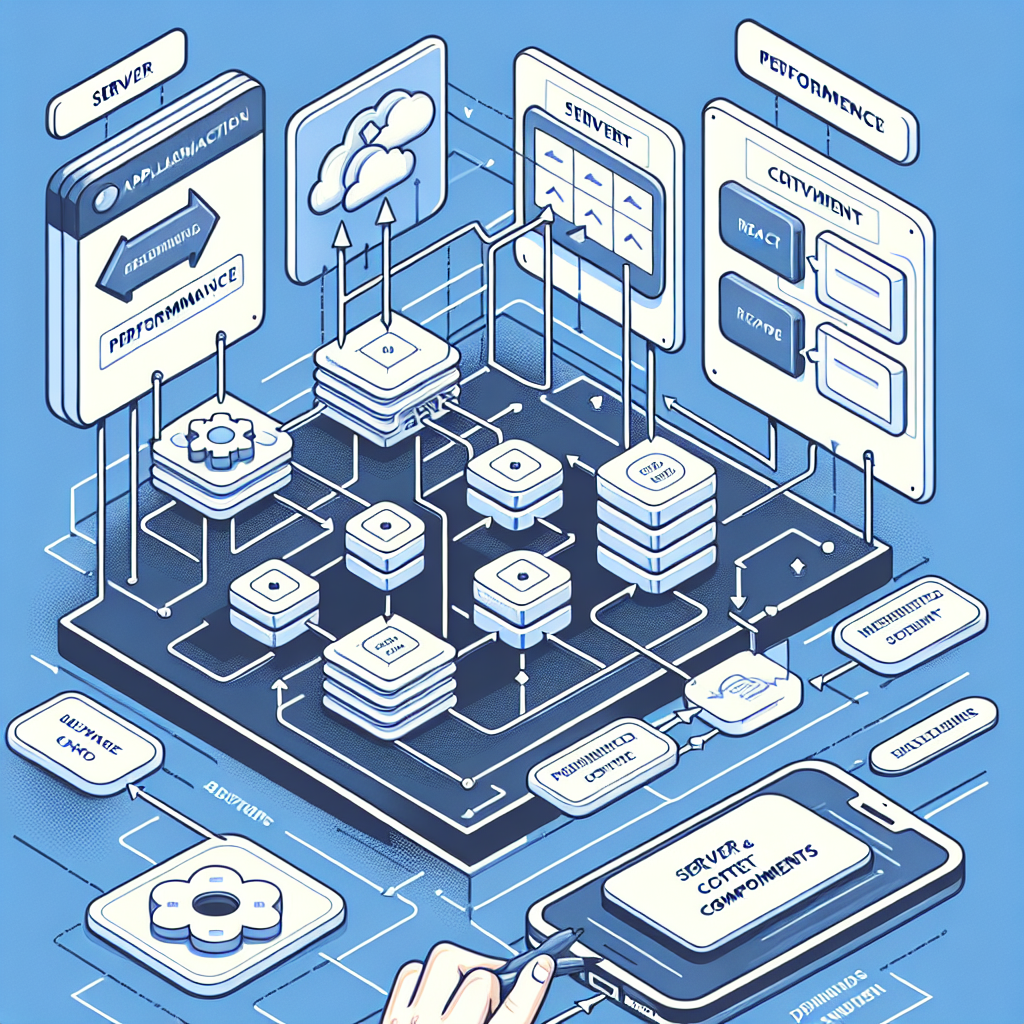
A detailed illustration of a React application architecture diagram highlighting Server and Client components, showcasing per
Share
Facebook Twitter LinkedIn Pinterest Email

Introduction

As web applications become increasingly complex, optimizing performance while enhancing user experience is paramount. React Server Components (RSC), introduced as an experimental feature in React 18, represent a critical evolution in the architecture of React applications. This article explores RSC, focusing on their performance benefits, architectural implications, and user experience enhancements.

Understanding React Server Components

React Server Components provide a mechanism to separate components that are server-rendered from those that are client-rendered. This distinction simplifies component management by enabling developers to specify which components run on the server and which are responsible for client interactions.

Distinction Between Server and Client Components

Server Components are designed to fetch data on the server, allowing them to produce HTML that is sent directly to the client, minimizing the client-side JavaScript bundle size. In contrast, Client Components are interactive and rely on JavaScript execution on the client side to manage their state and behavior. Understanding this distinction is vital for effectively utilizing RSC in application architecture.

Performance Benefits of React Server Components

One of the most critical advancements that RSC introduces is streaming rendering. This feature allows React to immediately send HTML to the client, which significantly improves initial loading times. Unlike traditional client-side rendering, where the full JavaScript bundle must be downloaded, parsed, and executed before anything is displayed, RSC enables a faster perceived load time.

Improved Loading Times and Reduced Bundle Sizes

  • Streaming: By sending pieces of the application as soon as they are ready, users see content faster.
  • Bundle Size: With less JavaScript required for initial rendering, bundle sizes are reduced, leading to improved performance, especially on slower networks.
  • Concurrency: RSC supports concurrent features, allowing multiple React updates to be processed in the background, further improving responsiveness.

Stabilization of RSC API

The RSC API was stabilized in React 18.2, introducing essential hooks like use for data fetching. This innovation allows components to request data easily and utilize it without requiring an extensive client-side architecture. These hooks facilitate seamless user navigation and interaction while maintaining optimal performance.

Architecture Tradeoffs

While the benefits of RSC are considerable, there are architectural tradeoffs to consider. Server Components may not be the best fit for every application type.

Scenarios Suiting Server Components

  • Content-Heavy Applications: Applications with heavy content requirements, such as blogs or e-commerce sites, benefit immensely from RSC.
  • Less Interactive Apps: Apps that prioritize information display over user interaction are ideal candidates for Server Components.

Limitations of Server Components

  • Server Dependency: RSC requires server support, which may complicate deployments and scaling.
  • SEO Considerations: While the rendered HTML is beneficial for SEO, managing dynamic content effectively remains a challenge.

Misconceptions About State Management

Many developers express concern over managing state between Server and Client Components. However, RSC is designed to simplify this process. Developers can utilize tools like React’s Context API or state management libraries to manage global state effectively.

Testing and Validation

Testing and validating the performance of applications utilizing RSC are crucial. Developers should conduct benchmarks comparing traditional client-rendered applications against those utilizing RSC.

Benchmarking Standard Client-Rendered Applications

  • Run performance benchmarks to measure load times, interactivity responsiveness, and bundle sizes.
  • Consider real-world scenarios and edge cases to identify potential bottlenecks.
  • Examine how RSC affects overall user experience and satisfaction.

Adoption Challenges within Existing Projects

Integrating Server Components into existing applications can present challenges, especially for projects heavily reliant on client-side rendering.

Gradual Adoption Strategies

  • Incremental Integration: Start by converting non-interactive components to Server Components to manage complexity.
  • Monitor Performance Metrics: Prioritize metrics on loading times, user engagement, and overall application speed to track improvements.

Avoiding Common Pitfalls

  • Misunderstanding the architecture could lead to poor performance; educate development teams on RSC specifics.
  • Neglecting to test thoroughly may hide issues that could affect end users.

Conclusion

React Server Components represent a transformative approach to structuring React applications, offering performance benefits and enhancements to the user experience. By understanding their architecture, testing performance, and addressing adoption challenges, developers can leverage RSC to build high-performing, user-centered applications. As the React ecosystem continues to evolve, RSC stands out as a potent tool for optimizing web applications and delivering exceptional experiences.

architectural tradeoffs data fetching migration strategies performance React Server Components SEO implications streaming rendering user experience
Share. Facebook Twitter Pinterest LinkedIn Tumblr Email
Previous ArticleImpact of Angular’s Dependency Injection Updates
Next Article Understanding State Management in Angular: A Comprehensive Analysis
yasiru_jayashan
  • Website

Related Posts

React

Top 10 Tips for Optimizing Your React Application for Performance

April 17, 2026
Generative AI

Harnessing the Power of Generative AI for Enhanced User Experience in Web Development

March 28, 2026
Generative AI

Leveraging Generative AI for Enhanced User Experience in Web Development

March 14, 2026
Add A Comment
Leave A Reply Cancel Reply

Top Posts

Angular subscribe() Function Explained

October 18, 202596 Views

How to Reset MFA in AWS Cognito Hosted UI

October 6, 202588 Views

Web3 | How Decentralization Is Changing the Internet in 2025

October 13, 202558 Views
Stay In Touch
  • Facebook
  • YouTube
  • TikTok
  • WhatsApp
  • Twitter
  • Instagram
Latest Reviews
Most Popular

Angular subscribe() Function Explained

October 18, 202596 Views

How to Reset MFA in AWS Cognito Hosted UI

October 6, 202588 Views

Web3 | How Decentralization Is Changing the Internet in 2025

October 13, 202558 Views
Our Picks

Understanding State Management in Angular: A Comprehensive Analysis

May 7, 2026

Evolution of React Server Components: Performance, Architecture, and User Experience

May 7, 2026

Impact of Angular’s Dependency Injection Updates

May 3, 2026
© 2026 Knowvenger. All rights reserved.
  • Home
  • Cloud & DevOps
    1. Networking & Security
    2. AWS
    3. View All

    Massive RSC Vulnerability Found in React 19 and Next.js | How to Protect Your App in 2025

    December 12, 2025

    Difference Between VPN and Proxy Server | Which One Should You Choose?

    November 2, 2025

    How to Create Your Own VPN on a Private Server

    October 26, 2025

    10 Best Practices for Optimizing Your AWS Resource Management to Reduce Costs

    April 17, 2026

    How to Reset MFA in AWS Cognito Hosted UI

    October 6, 2025

    10 Best Practices for Optimizing Your AWS Resource Management to Reduce Costs

    April 17, 2026

    Building Scalable Applications in the Cloud: Best Practices for AWS Deployment

    April 17, 2026

    AI in Cloud Infrastructure: Smarter Automation & Optimization

    March 11, 2026

    Shared vs VPS vs Cloud Hosting | Which Is Best ?

    January 15, 2026
  • Blockchain & Web3
    1. Web3 Fundamentals
    2. View All

    Web3 | How Decentralization Is Changing the Internet in 2025

    October 13, 2025

    Web3 | How Decentralization Is Changing the Internet in 2025

    October 13, 2025
  • Web Development
    1. HTTP & APIs
    2. Frontend Development
    3. View All

    Mastering HTTP 2.0: Enhancing Performance and Security for Modern Web Applications

    April 17, 2026

    10 Best Practices for Securing APIs in Cloud and DevOps Environments

    April 17, 2026

    10 Essential Best Practices for Securing Your APIs in 2026

    April 13, 2026

    10 Essential Best Practices for Building Secure APIs in a Cloud Environment

    March 14, 2026

    Understanding State Management in Angular: A Comprehensive Analysis

    May 7, 2026

    Evolution of React Server Components: Performance, Architecture, and User Experience

    May 7, 2026

    Impact of Angular’s Dependency Injection Updates

    May 3, 2026

    Top 10 Tips for Optimizing Your React Application for Performance

    April 17, 2026

    Understanding State Management in Angular: A Comprehensive Analysis

    May 7, 2026

    Evolution of React Server Components: Performance, Architecture, and User Experience

    May 7, 2026

    Impact of Angular’s Dependency Injection Updates

    May 3, 2026

    Top 10 Tips for Optimizing Your React Application for Performance

    April 17, 2026
  • System Design
    1. Software Architecture
    2. View All

    Microservices Architecture

    March 1, 2026

    Monolith Architecture

    January 2, 2026

    Microservices Architecture

    March 1, 2026

    Monolith Architecture

    January 2, 2026

Type above and press Enter to search. Press Esc to cancel.