

Close Menu
Knowvenger | Your Daily Dose of TechKnowvenger | Your Daily Dose of Tech
  • Home
  • Cloud & DevOps
    • Networking & Security
    • AWS
  • Blockchain & Web3
    • Web3 Fundamentals
  • Web Development
    • HTTP & APIs
    • Frontend Development
  • System Design
    • Software Architecture
What's Hot

Understanding State Management in Angular: A Comprehensive Analysis

May 7, 2026

Evolution of React Server Components: Performance, Architecture, and User Experience

May 7, 2026

Impact of Angular’s Dependency Injection Updates

May 3, 2026
Facebook X (Twitter) Instagram
Knowvenger | Your Daily Dose of TechKnowvenger | Your Daily Dose of Tech
  • Home
  • Cloud & DevOps
    1. Networking & Security
    2. AWS
    3. View All

    Massive RSC Vulnerability Found in React 19 and Next.js | How to Protect Your App in 2025

    December 12, 2025

    Difference Between VPN and Proxy Server | Which One Should You Choose?

    November 2, 2025

    How to Create Your Own VPN on a Private Server

    October 26, 2025

    10 Best Practices for Optimizing Your AWS Resource Management to Reduce Costs

    April 17, 2026

    How to Reset MFA in AWS Cognito Hosted UI

    October 6, 2025

    10 Best Practices for Optimizing Your AWS Resource Management to Reduce Costs

    April 17, 2026

    Building Scalable Applications in the Cloud: Best Practices for AWS Deployment

    April 17, 2026

    AI in Cloud Infrastructure: Smarter Automation & Optimization

    March 11, 2026

    Shared vs VPS vs Cloud Hosting | Which Is Best ?

    January 15, 2026
  • Blockchain & Web3
    1. Web3 Fundamentals
    2. View All

    Web3 | How Decentralization Is Changing the Internet in 2025

    October 13, 2025

    Web3 | How Decentralization Is Changing the Internet in 2025

    October 13, 2025
  • Web Development
    1. HTTP & APIs
    2. Frontend Development
    3. View All

    Mastering HTTP 2.0: Enhancing Performance and Security for Modern Web Applications

    April 17, 2026

    10 Best Practices for Securing APIs in Cloud and DevOps Environments

    April 17, 2026

    10 Essential Best Practices for Securing Your APIs in 2026

    April 13, 2026

    10 Essential Best Practices for Building Secure APIs in a Cloud Environment

    March 14, 2026

    Understanding State Management in Angular: A Comprehensive Analysis

    May 7, 2026

    Evolution of React Server Components: Performance, Architecture, and User Experience

    May 7, 2026

    Impact of Angular’s Dependency Injection Updates

    May 3, 2026

    Top 10 Tips for Optimizing Your React Application for Performance

    April 17, 2026

    Understanding State Management in Angular: A Comprehensive Analysis

    May 7, 2026

    Evolution of React Server Components: Performance, Architecture, and User Experience

    May 7, 2026

    Impact of Angular’s Dependency Injection Updates

    May 3, 2026

    Top 10 Tips for Optimizing Your React Application for Performance

    April 17, 2026
  • System Design
    1. Software Architecture
    2. View All

    Microservices Architecture

    March 1, 2026

    Monolith Architecture

    January 2, 2026

    Microservices Architecture

    March 1, 2026

    Monolith Architecture

    January 2, 2026
Knowvenger | Your Daily Dose of TechKnowvenger | Your Daily Dose of Tech
Home » Understanding State Management in Angular: A Comprehensive Analysis
Angular

Understanding State Management in Angular: A Comprehensive Analysis

yasiru_jayashanBy yasiru_jayashanMay 7, 2026No Comments5 Mins Read
Share Facebook Twitter Pinterest LinkedIn Tumblr Reddit Telegram Email
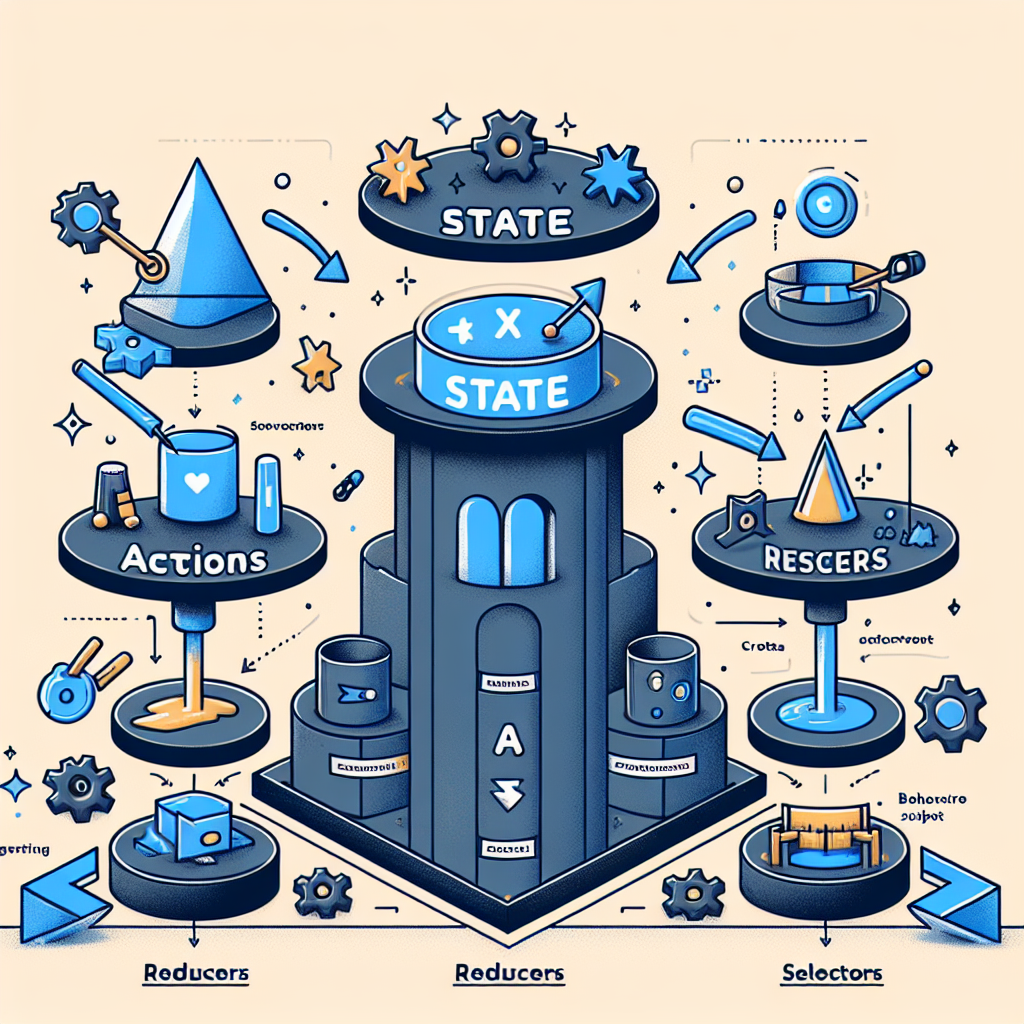
An illustration showing Angular's state management concepts, highlighting NgRx, Akita, and BehaviorSubject with visual elemen
Share
Facebook Twitter LinkedIn Pinterest Email

Introduction

State management plays a vital role in the development of scalable Angular applications, especially as they grow in complexity. The need for effective state management solutions can significantly impact the application’s architecture and maintainability. This article analyzes several popular state management solutions available in Angular, including NgRx, Akita, and BehaviorSubject, alongside the recent enhancements brought by Angular 15.

State Management Solutions in Angular

Angular provides various state management solutions catering to different development needs. Each solution has its strengths and weaknesses, making it crucial to assess them based on your project requirements.

NgRx

NgRx is the most widely used state management library in Angular, adhering to the Redux pattern. It implements a strict unidirectional data flow that contributes to predictable state management. This structure, while beneficial for larger applications, can introduce cognitive overhead due to its boilerplate code and conceptual complexity.

Akita

On the other hand, Akita offers a more flexible and less opinionated approach. It allows developers to manage application state with a lighter footprint, requiring less boilerplate and providing straightforward implementations. This makes Akita a popular choice for smaller applications or projects that demand quicker turnarounds.

BehaviorSubject

BehaviorSubject, part of RxJS, allows for a simpler approach to state management within Angular components. It provides an observable that can emit the current state, making it easy to implement reactive patterns without the overhead of external libraries.

Core Concepts in State Management

Understanding core concepts is essential for effective state management in Angular applications. Here are the critical components:

  • State: The representation of application data at a specific point in time.
  • Actions: Events that trigger changes in state.
  • Reducers: Functions that take the current state and an action and return a new state.
  • Selectors: Functions that extract specific pieces of data from the state.

It’s important to distinguish between local component state and global application state. Local component state is managed within the component scope, while global state is accessible across the application. This distinction is vital for deciding where to manage state in more complex applications.

Angular 15 and State Management Enhancements

Released in November 2022, Angular 15 introduced improvements, particularly in support for reactive programming with RxJS. This update enhances the efficiency of state management solutions by facilitating more streamlined data flows and reducing boilerplate code.

With these improvements, developers can leverage reactive programming paradigms more effectively, utilizing observables to manage state transitions and side effects seamlessly.

Common State Management Patterns

The Flux architecture is a commonly referenced pattern in state management, emphasizing strict unidirectional data flow. In Angular, adopting the Flux pattern through libraries like NgRx can lead to clearer data flow and better state debugging. However, it also requires developers to adapt to the patterns more rigidly defined by this architecture, potentially leading to overload if not managed correctly.

Comparative Analysis: NgRx vs Akita

Choosing between NgRx and Akita involves considering the underlying principles and implications for scalability and maintainability:

  • NgRx: Enforces a structured approach, beneficial for larger applications with complex state interactions. The downside includes a steeper learning curve and more boilerplate.
  • Akita: Encourages simpler implementations, which can be advantageous for rapid development cycles. However, it may not enforce the same rigor on state structure as NgRx, potentially leading to issues in larger applications.

Implications of State Management Choice

The choice of state management approach has serious implications for the scalability and maintainability of an application. For example, while NgRx may not be necessary for small to medium-sized applications, it could provide structure that prevents future errors as complexity grows. Conversely, smaller applications might benefit from the minimal setup and reduced cognitive load Akita provides.

Performance impacts are also a noteworthy consideration. NgRx can lead to performance bottlenecks if not optimized, particularly concerning its reliance on reactive programming. Therefore, assessing the application’s size and growth potential is essential before implementing a state management library.

Addressing Misconceptions in State Management

It is a common misconception that state management libraries are a must-have for all Angular applications. This belief leads many developers to adopt complex libraries without fully understanding their needs. Evaluating state management based on application complexity, team proficiency, and future scalability is crucial in determining the necessity of these libraries.

Practical Experimentation and Real-World Applications

We encourage developers to engage in practical experimentation with state management in Angular. Creating a small project to apply various techniques and measure their effectiveness can provide valuable insights. Additionally, exploring community feedback on usability and performance benchmarks of different libraries will further inform your choice.

By understanding specific scenarios where one method may significantly outshine the other, developers can make well-informed decisions aligned with their project goals.

Conclusion

In summary, state management is essential for Angular applications, particularly as they scale. With the recent enhancements in Angular 15 supporting reactive programming, developers have robust tools to explore different state management solutions. By understanding the nuances of NgRx, Akita, and BehaviorSubject, as well as the implications of their use in various contexts, developers can construct applications that are both scalable and maintainable.

Ultimately, the choice of state management solution should align with application needs, team skill levels, and future growth potential, ensuring the right approach is adopted for each unique scenario.

Akita Angular 15 developers Flux architecture global application state local component state NgRx performance benchmarks reactive programming state management
Share. Facebook Twitter Pinterest LinkedIn Tumblr Email
Previous ArticleEvolution of React Server Components: Performance, Architecture, and User Experience
yasiru_jayashan
  • Website

Related Posts

Angular

Impact of Angular’s Dependency Injection Updates

May 3, 2026
Angular

10 Essential Tips for Optimizing Angular Apps for Better Performance

March 11, 2026
Angular

What is Zoneless Angular ?

November 23, 2025
Add A Comment
Leave A Reply Cancel Reply

Top Posts

Angular subscribe() Function Explained

October 18, 202597 Views

How to Reset MFA in AWS Cognito Hosted UI

October 6, 202588 Views

Web3 | How Decentralization Is Changing the Internet in 2025

October 13, 202558 Views
Stay In Touch
  • Facebook
  • YouTube
  • TikTok
  • WhatsApp
  • Twitter
  • Instagram
Latest Reviews
Most Popular

Angular subscribe() Function Explained

October 18, 202597 Views

How to Reset MFA in AWS Cognito Hosted UI

October 6, 202588 Views

Web3 | How Decentralization Is Changing the Internet in 2025

October 13, 202558 Views
Our Picks

Understanding State Management in Angular: A Comprehensive Analysis

May 7, 2026

Evolution of React Server Components: Performance, Architecture, and User Experience

May 7, 2026

Impact of Angular’s Dependency Injection Updates

May 3, 2026
© 2026 Knowvenger. All rights reserved.
  • Home
  • Cloud & DevOps
    1. Networking & Security
    2. AWS
    3. View All

    Massive RSC Vulnerability Found in React 19 and Next.js | How to Protect Your App in 2025

    December 12, 2025

    Difference Between VPN and Proxy Server | Which One Should You Choose?

    November 2, 2025

    How to Create Your Own VPN on a Private Server

    October 26, 2025

    10 Best Practices for Optimizing Your AWS Resource Management to Reduce Costs

    April 17, 2026

    How to Reset MFA in AWS Cognito Hosted UI

    October 6, 2025

    10 Best Practices for Optimizing Your AWS Resource Management to Reduce Costs

    April 17, 2026

    Building Scalable Applications in the Cloud: Best Practices for AWS Deployment

    April 17, 2026

    AI in Cloud Infrastructure: Smarter Automation & Optimization

    March 11, 2026

    Shared vs VPS vs Cloud Hosting | Which Is Best ?

    January 15, 2026
  • Blockchain & Web3
    1. Web3 Fundamentals
    2. View All

    Web3 | How Decentralization Is Changing the Internet in 2025

    October 13, 2025

    Web3 | How Decentralization Is Changing the Internet in 2025

    October 13, 2025
  • Web Development
    1. HTTP & APIs
    2. Frontend Development
    3. View All

    Mastering HTTP 2.0: Enhancing Performance and Security for Modern Web Applications

    April 17, 2026

    10 Best Practices for Securing APIs in Cloud and DevOps Environments

    April 17, 2026

    10 Essential Best Practices for Securing Your APIs in 2026

    April 13, 2026

    10 Essential Best Practices for Building Secure APIs in a Cloud Environment

    March 14, 2026

    Understanding State Management in Angular: A Comprehensive Analysis

    May 7, 2026

    Evolution of React Server Components: Performance, Architecture, and User Experience

    May 7, 2026

    Impact of Angular’s Dependency Injection Updates

    May 3, 2026

    Top 10 Tips for Optimizing Your React Application for Performance

    April 17, 2026

    Understanding State Management in Angular: A Comprehensive Analysis

    May 7, 2026

    Evolution of React Server Components: Performance, Architecture, and User Experience

    May 7, 2026

    Impact of Angular’s Dependency Injection Updates

    May 3, 2026

    Top 10 Tips for Optimizing Your React Application for Performance

    April 17, 2026
  • System Design
    1. Software Architecture
    2. View All

    Microservices Architecture

    March 1, 2026

    Monolith Architecture

    January 2, 2026

    Microservices Architecture

    March 1, 2026

    Monolith Architecture

    January 2, 2026

Type above and press Enter to search. Press Esc to cancel.